|  |  |  |
|---|---|---|---|
 |  |  |  |
 |
Welcome to October!
Our website recognizes monthly awareness dates.
We only provide information that is pertinent to addiction, recovery and to the agency's vision and mission statements.

October Awareness Days
-
October 1 - 31, 2026 : Breast Cancer Awareness Month
-
October 1 - 31, 2026 : Domestic Violence Awareness Month
-
October 1 - 31, 2026 : ADHD Awareness Month
-
October 1 - 31, 2026 : Substance Use Prevention Month
-
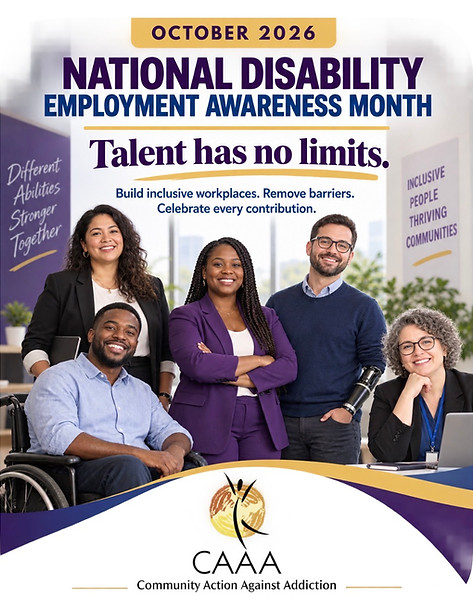
October 1 - 31, 2026 : National Disability Employment Awareness Month
-
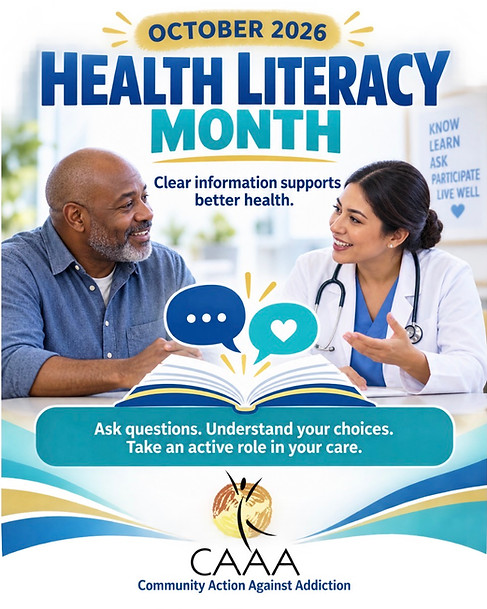
October 1 - 31, 2026 : Health Literacy Month
-
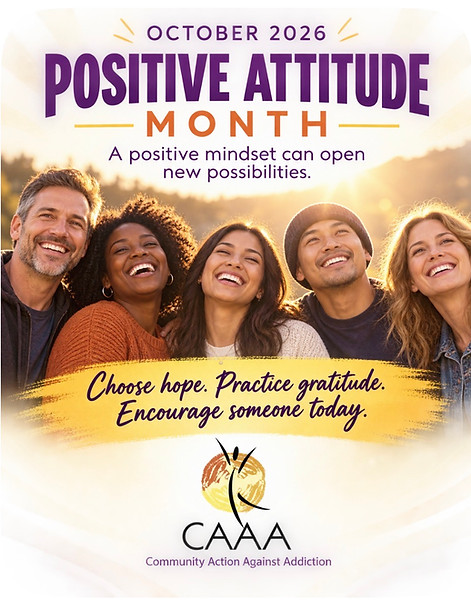
October 1 - 31, 2026 : Positive Attitude Month
-
October 1 - 31, 2026 : Emotional Wellness Month
-
October 1 - 31, 2026 : Be Yourself Month
-
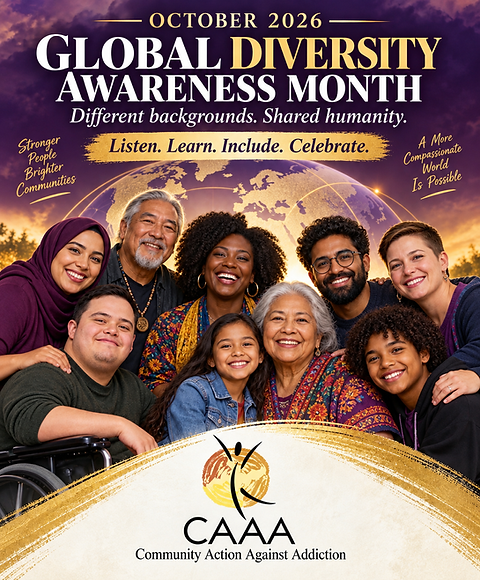
October 1 - 31, 2026 : Global Diversity Awareness Month
-
October 1 - 31, 2026 : Fire Prevention Month
-
October 5 - 11, 2026 : Mental Illness Awareness Week
-
October 8, 2026 : National Depression Screening Day
-
October 10, 2026 : World Mental Health Day
-
October 15, 2026 : Pregnancy and Infant Loss Remembrance Day
-
October 23 - 31, 2026 : Red Ribbon Week
-
October 29, 2026 : World Stroke Day
CAAA Job Postings
-
Bilingual SUD Counselor
-
Environmental Specialist
-
Security Personnel
-
Psychiatrist
-
Marketing/Community Relations
For more infomation, please visit our Careers page.
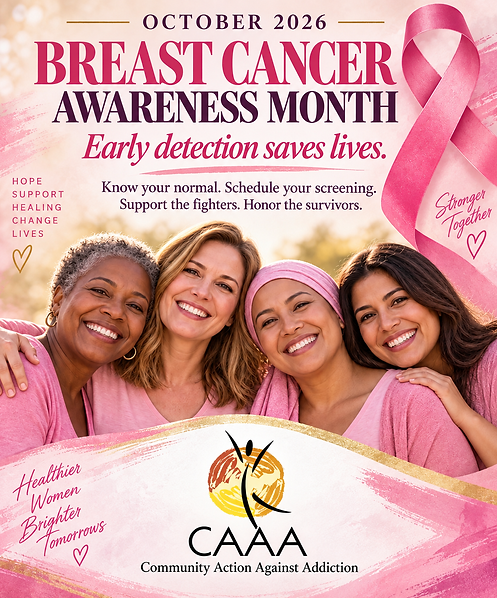
Breast Cancer Awareness Month
October 1 - 31, 2026
Breast Cancer Awareness Month brings attention to a disease that impacts individuals and families in communities everywhere. The month provides an opportunity to encourage education, early detection, and greater awareness of personal risk factors.
Knowing your body and staying informed about recommended screenings are important parts of breast health. This month also gives us an opportunity to recognize survivors, remember those we have lost, and support those currently navigating a breast cancer diagnosis.
Domestic Violence Awareness Month
October 1 - 31, 2026
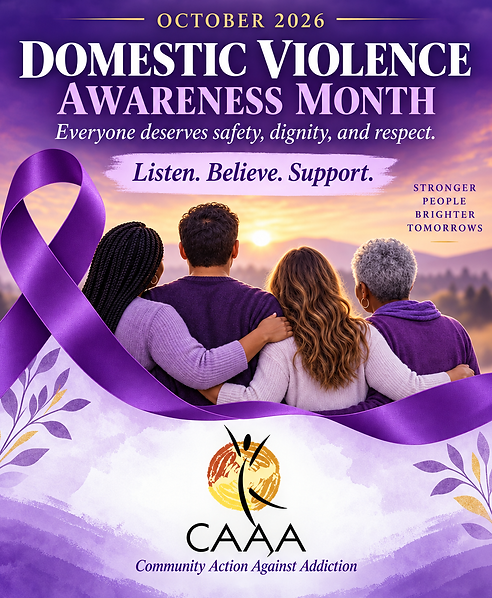
Domestic Violence Awareness Month brings attention to the realities of domestic abuse and the importance of safe, healthy relationships. Abuse can take many forms, including physical, emotional, sexual, financial, and controlling behaviors.
Throughout October, we recognize survivors and encourage greater awareness of resources available to individuals experiencing abuse. Strong communities are built when people feel safe, supported, heard, and empowered to seek help.
ADHD Awareness Month
October 1 - 31, 2026
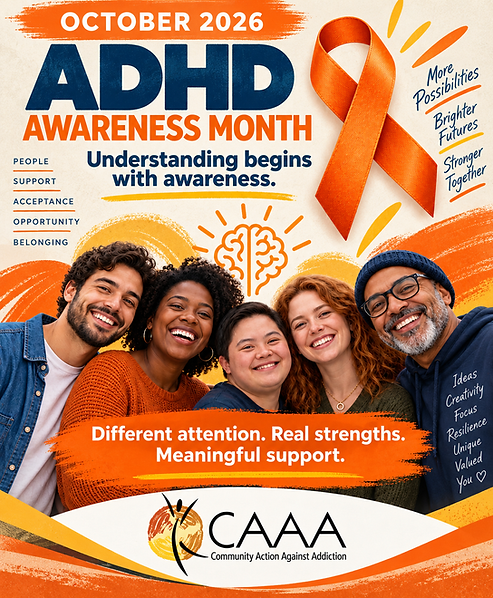
ADHD Awareness Month provides an opportunity to better understand attention-deficit/hyperactivity disorder and how it can affect children and adults. ADHD may influence attention, organization, impulse control, activity levels, and other areas of daily life.
Education can help replace misconceptions with understanding. Increased awareness also encourages individuals and families to seek appropriate evaluation, resources, and support when ADHD-related challenges affect everyday functioning.
Substance Use Prevention Month
October 1 - 31, 2026
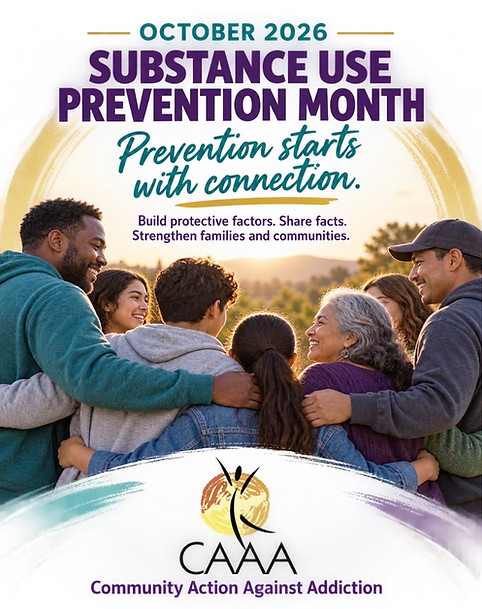
Substance Use Prevention Month highlights the importance of education, early intervention, and community support in preventing substance misuse. Prevention begins by helping individuals understand risks while strengthening the protective factors that encourage healthy decision-making.
Families, schools, healthcare providers, and community organizations all have a role in prevention. Creating supportive environments and having honest conversations can help individuals, especially young people develop healthy coping skills and make informed choices.
National Disability Employment Awareness Month
October 1 - 31, 2026
National Disability Employment Awareness Month recognizes the skills, talents, and contributions that people with disabilities bring to workplaces across the country. It also highlights the importance of ensuring that employment opportunities are accessible and inclusive.
An inclusive workplace recognizes ability, removes unnecessary barriers, and provides people with meaningful opportunities to contribute. This month encourages employers and communities to continue creating workplaces where individuals of all abilities can grow and succeed.
Health Literacy Month
October 1 - 31, 2026
Health Literacy Month emphasizes the importance of making health information clear, understandable, and useful. People are better equipped to participate in their healthcare when they understand their conditions, medications, treatment options, and available services.
Healthcare organizations also play an important role by communicating information in ways that people can understand and use. Asking questions, seeking clarification, and having access to reliable information can help individuals make more informed decisions about their health.
Positive Attitude Month
October 1 - 31, 2026
Positive Attitude Month encourages us to consider how our outlook can influence the way we respond to everyday experiences and challenges. A positive attitude does not require ignoring difficult circumstances or uncomfortable emotions.
Instead, this month can serve as a reminder to practice gratitude, develop healthy coping strategies, focus on areas within our control, and approach challenges with resilience and hope.
Emotional Wellness Month
October 1 - 31, 2026
Emotional Wellness Month encourages greater attention to the way we understand, express, and manage our emotions. Emotional wellness can influence relationships, decision-making, stress management, and overall quality of life.
Caring for emotional health may include setting healthy boundaries, maintaining supportive relationships, managing stress, getting adequate rest, and recognizing when additional support is needed. Emotional well-being deserves the same intentional care we give other areas of our health.


Be Yourself Month
October 1 - 31, 2026
Be Yourself Month celebrates individuality and encourages people to appreciate the qualities, experiences, and perspectives that make them unique. Developing healthy self-acceptance can support confidence and emotional well-being.
This month is also an opportunity to extend that same acceptance to others. When communities make room for individuality and respectful self-expression, people are better able to feel valued for who they are.
Global Diversity Awareness Month
October 1 - 31, 2026
Global Diversity Awareness Month recognizes the many cultures, backgrounds, traditions, experiences, and perspectives represented within our communities and throughout the world.
Diversity gives us opportunities to learn from one another and expand our understanding beyond our own experiences. This month encourages respect, inclusion, curiosity, and the creation of spaces where differences are acknowledged and valued.
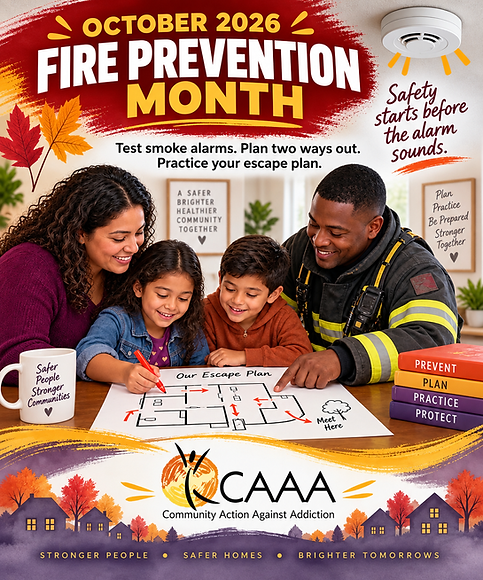
Fire Prevention Month
October 1 - 31, 2026
Fire Prevention Month reminds individuals and families that preparation can help prevent fires and save lives. Simple safety measures, including maintaining working smoke alarms, identifying household fire hazards, and having an emergency escape plan can make an important difference.
October is a good time for households and organizations to review their fire safety practices. Everyone should know how to safely exit during an emergency and where to meet once outside.
Mental Illness Awareness Week
October 5 - 11, 2026
Mental Illness Awareness Week creates an opportunity for communities to have informed and compassionate conversations about mental health conditions. It brings greater attention to the experiences of individuals and families affected by mental illness while working to reduce stigma.
Understanding mental illness can make it easier for people to recognize when support may be needed. Education, access to appropriate care, and supportive communities can make a meaningful difference in a person’s mental health journey.
National Depression Screening Day
October 8, 2026
National Depression Screening Day brings attention to recognizing the signs of depression and taking mental health concerns seriously. Depression can affect mood, energy, sleep, concentration, relationships, and everyday functioning.
Mental health screenings can help identify concerns and determine whether additional support may be helpful. This observance encourages individuals to check in with their emotional well-being and seek professional support when needed.
World Mental Health Day
October 10, 2026
World Mental Health Day is observed each year on October 10 to bring greater attention to mental health and the importance of emotional and psychological well-being. It encourages communities to continue reducing stigma and creating environments where conversations about mental health are welcomed and supported.
Mental health is an essential part of overall health. Increasing awareness, encouraging early support, and connecting people with appropriate resources can help individuals and families feel better equipped to address mental health challenges.
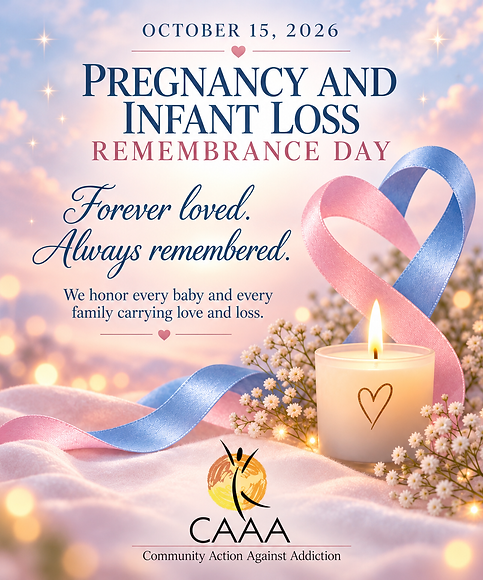
Pregnancy and Infant Loss Remembrance Day
October 15, 2026
Pregnancy and Infant Loss Remembrance Day provides a meaningful opportunity to remember babies lost through miscarriage, stillbirth, and other forms of pregnancy or infant loss. It also recognizes the grief carried by parents and families whose experiences may not always be visible to others.
October 15 reminds us of the importance of compassion, sensitivity, and support. Families experiencing this type of loss deserve space to grieve, remember, and receive care without feeling that they must navigate their loss alone.
Red Ribbon Week
October 23-31, 2026
Red Ribbon Week encourages children, families, schools, and communities to promote healthy, drug-free choices. The observance places a strong emphasis on prevention and the positive influence that education and supportive relationships can have on young people.
Prevention is strengthened when young people have trusted adults, accurate information, healthy coping skills, and supportive environments. Red Ribbon Week provides another opportunity for communities to work together to encourage safe and healthy futures.

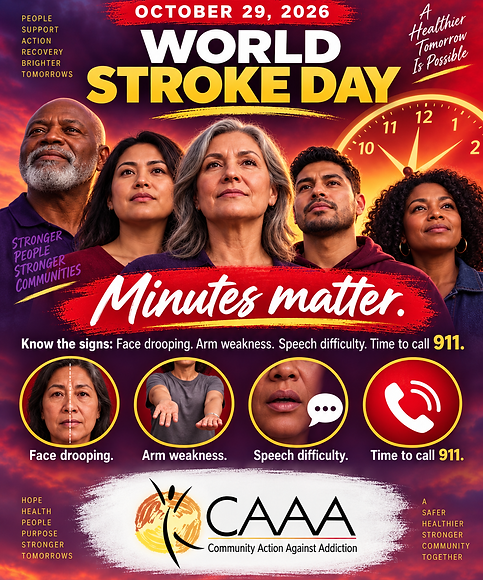
World Stroke Day
October 29, 2026
World Stroke Day brings attention to stroke prevention, warning signs, treatment, and recovery. A stroke occurs when blood flow to part of the brain is interrupted or when a blood vessel in the brain ruptures, making immediate medical attention critical.
Knowing the warning signs and responding quickly can make a significant difference. World Stroke Day encourages individuals to understand their risk factors, recognize possible symptoms, and seek emergency medical care immediately when a stroke is suspected.
Nicotine Prevention
All tobacco and nicotine products- whether smoked, chewed, or vaped pose serious health risks. While some products may carry relatively lower risks than others, none are safe, and all can contribute to addiction, disease, and long-term health complications. Nicotine is a highly addictive stimulant found in tobacco products and most e-cigarettes. It acts on the brain’s reward system, reinforcing repeated use and making cessation difficult.
1. Product-Specific Health Risks
-
A. Cigars and Cigarillos
- Contain as much nicotine as cigarettes, sometimes more.
- Produce thicker, more toxic smoke due to fermentation.
- Linked to oral, esophageal, laryngeal, and lung cancers.
- Increase risk of heart disease and chronic obstructive pulmonary disease (COPD).
- Secondhand smoke from cigars is highly toxic.
-
B. Chewing Tobacco (Smokeless)
- Includes chew, snuff, and nicotine pouches.
- Causes oral cancers, gum disease, and tooth loss.
- Increase risk of pancreatic cancer and nicotine addiction.
- Delivery high doses of nicotine, often more than cigarettes.
-
C. E-Cigarettes, E-Liquid, and Vaping
- Most contain nicotine, even when labeled ·nicotine-free. ·- Aerosol contains:
- Heavy metals (nickel, tin, lead)
- Volatile organic compounds
- Cancer-causing chemicals
- Diacetyl, linked to ·popcorn lung (bronchiolitis obliterans)- Associated with:
- Lung injury (EVALI)
- Nicotine poisoning, especially in children - Battery explosions and burns
- May be less harmful than cigarettes if used exclusively by adults trying to quit smoking but not safe.
2. Impact on Recovery and Mental
-
Health - Nicotine addiction can:
- Undermine recovery from other substance use disorders.
- Increase anxiety, depression, and stress.
- Impair cognitive function and emotional regulation.
- Dual use (e.g., vaping and smoking) increases exposure to toxins and worsens respiratory outcomes.
- Withdrawal symptoms irritability, cravings, insomnia can interfere with therapy and recovery goals.
3. Long-Term Health Consequences
-
- Cancer: Oral, lung, throat, pancreatic, and esophageal.
- Cardiovascular disease: Heart attack, stroke, hypertension.
- Respiratory illness: COPD, asthma exacerbation, chronic bronchitis.
- Reproductive harm: Low birth weight, preterm birth, fetal brain damage. - Cognitive decline: Especially with early or prolonged use.
NOTICE
Communication media utilized by Community Action Against Addiction is for information exchange between members of the community, whether client or staff.
These accounts are staffed and monitored by non-service staff.
It is expected that all participants will maintain a level of courtesy owed to all parties.